
What ID Is Required for Notarization? A Guide for Oregon and Washington Signers
One of the most common questions people ask before a notary appointment is, "What identification do I need to bring?"
Introduction
Whether you're signing a Power of Attorney, real estate documents, loan paperwork, affidavits, or other important forms, verifying your identity is one of the notary's most important responsibilities. Proper identification helps prevent fraud and ensures that documents are signed by the correct person.
Content
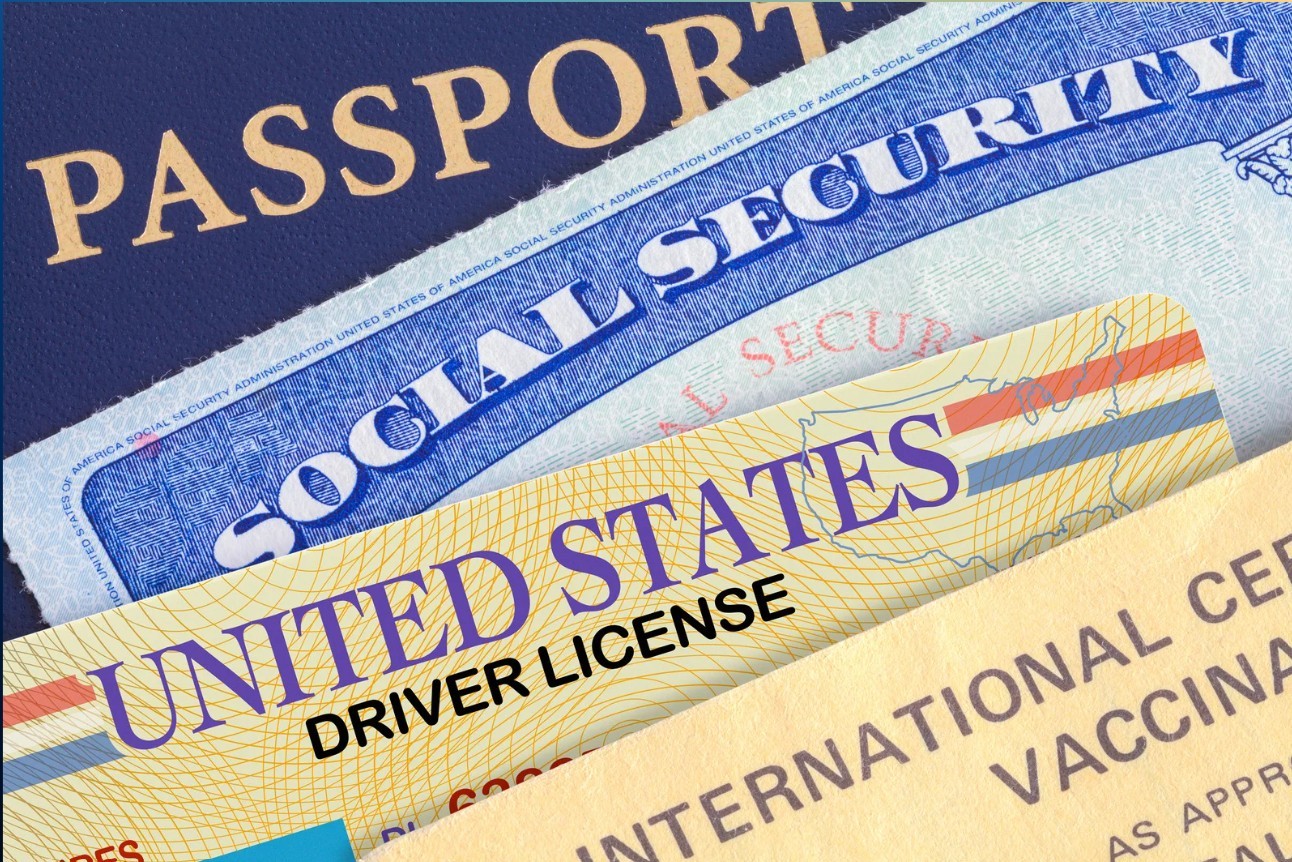
Why Does a Notary Need Identification? A notary public serves as an impartial witness during the signing of important documents. Before performing a notarization, the notary must have satisfactory evidence that the person signing the document is who they claim to be. Identity verification helps: • Prevent fraud and forgery • Protect signers and document recipients • Ensure compliance with state notary laws • Maintain the integrity of legal and financial transactions Without proper identification, a notary may be unable to complete the notarization. What Makes an ID Acceptable? In general, an acceptable identification document should: • Be issued by a government agency • Include a photograph of the signer • Contain a physical description or identifying information • Include the signer's signature • Be current or otherwise acceptable under applicable state law The ID must allow the notary to reasonably determine that the signer is the person named in the document. Common Forms of Acceptable Identification The following forms of identification are commonly accepted for notarization: Driver's License: A valid driver's license issued by any U.S. state is one of the most frequently used forms of identification. State Identification Card: Individuals who do not drive may use a state-issued identification card. United States Passport: A valid U.S. passport is widely accepted and provides strong proof of identity. Foreign Passport: A foreign passport may be accepted in many situations, particularly when it contains a photograph, signature, and identifying information. Military Identification Card: Active-duty military personnel and veterans may use qualifying military identification cards when permitted by state law. Tribal Identification Card: Government-issued tribal identification cards are often accepted when they meet applicable requirements. What If My ID Has Expired? Many people are surprised to learn that an expired ID may not always be accepted. Requirements vary depending on state law and the circumstances of the notarization. If your identification has expired, it's best to contact the notary before your appointment to determine whether alternative forms of identification may be available. To avoid delays, bring a current government-issued photo ID whenever possible. What If I Don't Have Identification? If you do not have an acceptable identification document, there may be alternative methods available depending on state law. One common option is the use of credible witnesses. A credible witness is a person who personally knows the signer and can swear to the signer's identity before the notary. Specific requirements apply, and not all situations qualify for the use of credible witnesses. If you do not have identification, contact the notary in advance to discuss your options. Why Names Must Match The name on your identification should closely match the name on the document being notarized. For example: • "John A. Smith" and "John Smith" are often acceptable. • Significant name differences may require additional documentation. If your name has changed due to marriage, divorce, or another legal reason, bring supporting documentation if available. Addressing name discrepancies before the appointment can help prevent delays. Can a Notary Accept Digital IDs or Photos of IDs? Generally, a notary must examine the actual identification document. A photo of an ID stored on a phone or a photocopy of an ID is typically not sufficient for traditional in-person notarizations. Always bring the original identification document with you. Tips for a Smooth Notary Appointment Before meeting with a notary, make sure to: • Bring a valid government-issued photo ID. • Verify that the name on your ID matches your document. • Review your documents before the appointment. • Do not sign the document until instructed by the notary. • Ensure all required signers are present. Taking these simple steps can help your appointment proceed quickly and efficiently. Frequently Asked Questions Can I use an out-of-state driver's license? Yes. A driver's license issued by another U.S. state is generally acceptable if it meets identification requirements. Can I use my passport instead of my driver's license? Absolutely. A valid passport is commonly accepted for notarization. Can a family member identify me? In some situations, a credible witness may be used, but specific legal requirements must be met. Contact your notary beforehand to discuss eligibility. What happens if I forget my ID? The notary will likely be unable to complete the notarization until acceptable identification is provided.
Let's Work together
Bringing proper identification is one of the most important steps you can take before a notary appointment. It helps protect everyone involved in the transaction and ensures that your notarization can be completed without unnecessary delays.